About Eco Files
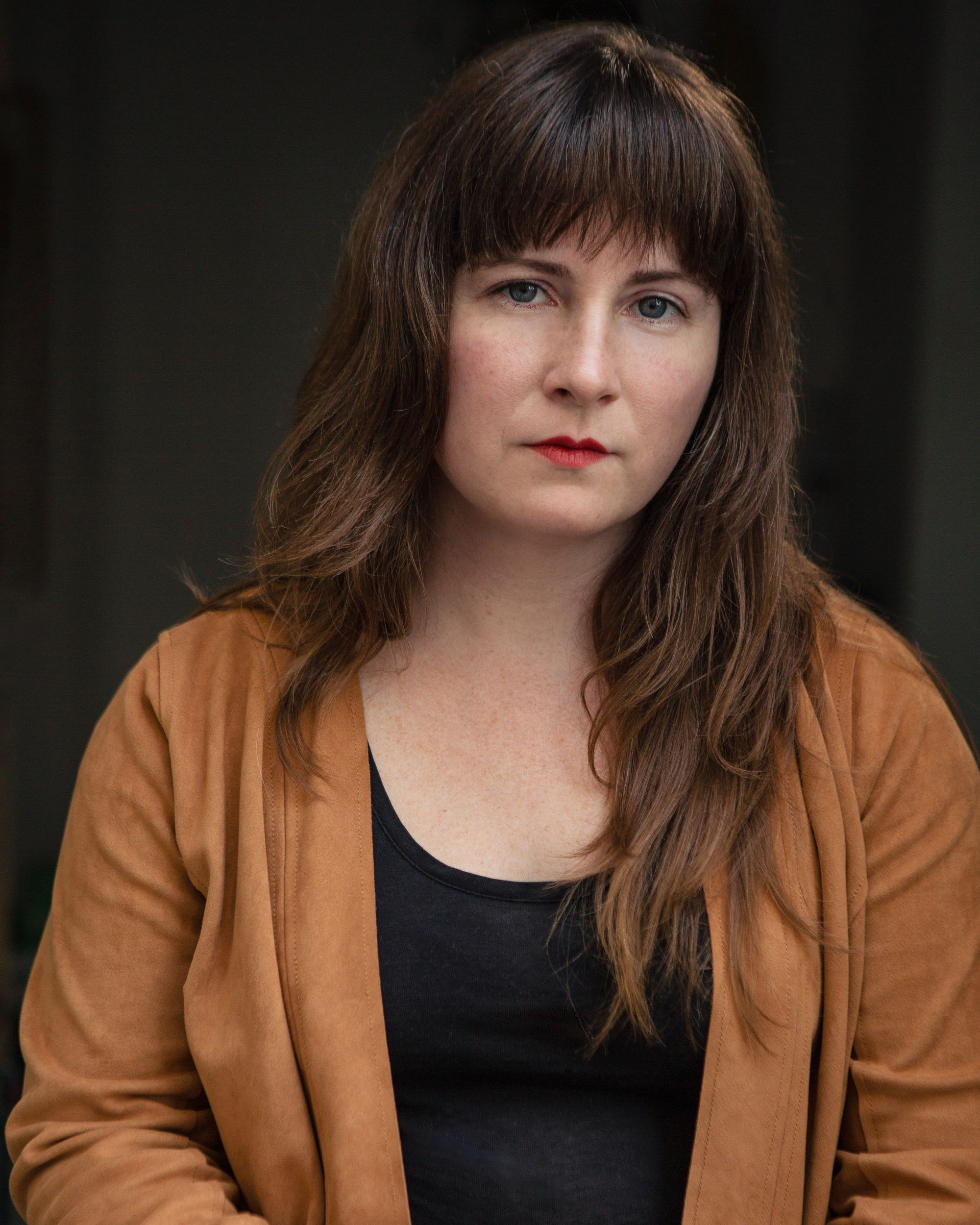
Alleen Brown is an independent investigative journalist. She digs deep to uncover the tactics used by powerful state and corporate actors to advance projects that harm communities as well as the land, water, and climate they rely on. Alleen publishes a lot of her work with Drilled, where she works part-time as a senior editor. But ultimately, she's a freelancer, and this newsletter is the only place where you can keep up with all of her work.
A paid subscription to Eco Files is the best way to support Alleen Brown's work.
What to expect:
—A post every time Alleen publishes an investigation
—A monthly round-up of things she's thinking about
—Occasional “cutting room floor” posts, featuring details from my reporting that you’ll only find here
Alleen is also a worker-organizer with the National Writer's Union's Freelance Solidarity Project, and she sometimes writes about that. (She's ALWAYS happy to talk to you about how to join – just email her.)
Finally, Alleen is working on a big project that she's not ready to talk about, and eventually you’ll find updates about that here, too.
You can also find Alleen on Bluesky @alleenbrown.bsky.social or Instagram @alleenbrownjournalist
A full (almost) archive of Alleen's work is here
Send Tips!
Email: alleen.brown56@gmail.com
More about Alleen Brown
Alleen has reported extensively on the intersections between environmental crises and racism, poverty, immigration, violence against women, and criminalization.
Some examples:
In 2025, Alleen hosted and reported the Drilled podcast series SLAPP'd, about the pipeline giant Energy Transfer's $666 million lawsuit against Greenpeace. She was the only national reporter in the courtroom for all three weeks of the trial.
In 2024, Alleen was senior editor for Drilled's series, The Real Free Speech Threat, which involved journalists around the world publishing episodes and articles about criminalization of land defenders in their regions.
Alleen's reporting for The Intercept and Grist on state and corporate repression of Indigenous-led Dakota Access Pipeline opponents at Standing Rock has been cited in civil rights cases, reports submitted to international human rights bodies, and more than a dozen books.
Alleen's investigation for the Intercept mapping over 6,500 prisons against heat, wildfire, and flood risk has provided foundational information for organizers and policymakers defining what climate change will mean for mass incarceration.
Alleen was previously a staff reporter at The Intercept and has written for Grist, The Guardian, Inside Climate News, The Appeal and other publications. She's from St. Paul, Minnesota, and she lives in New York.
More about Alleen's work
Over the past decade Alleen Brown has become obsessed with the ways that environmental crises intersect with criminalization — and the implications that has for democracy and public health.
That has meant investigating:
—Pipeline companies paying police to protect their projects from protest.
—Georgia prosecutors branding forest defenders as domestic terrorists and conspirators in organized crime.
—The U.S. government's post-9/11 War on Terror fueling the Filipino government's crackdown on Indigenous land defenders.
—An oil industry security contractor's infiltration of an Indigenous-led environmental defense movement.
—Petrochemical corporations working with policymakers to pass anti-protest laws.
It has also meant looking into how people who are criminalized — such as immigrants, people of color, and unhoused people — are impacted by environmental crises.
For example:
—For The Intercept, Grist, and The Appeal Alleen has written numerous stories about how the climate crisis is impacting people who are incarcerated.
—For The Guardian she uncovered wine industry efforts to suppress farmworkers organizing for wildfire protections.
—With the International Women’s Media Foundation, she investigated why a Guatemalan land defender was forced to flee her country in the midst of efforts to stop a Canadian mine.
There are not a lot of reporters out there specializing in this kind of coverage, and Alleen plans to keep doing it, with the help of Eco Files and its subscribers.
It's hard to survive as a freelance journalist in these times.